If you run a commercial kitchen, you’ve probably said “grease is grease” at least once. And I get it. It all looks gross, it all smells bad, and it all feels like it should be handled the same way.
But it’s not.
Grease trap grease and hood grease are two totally different problems, collected in different systems, cleaned by different methods, and regulated for different reasons. Mixing them up is one of those small mistakes that quietly turns into big ones. Plumbing issues. Fire risk. Failed inspections. Surprise invoices. The fun stuff.
So let’s clear it up.
First, what “grease trap grease” actually is
Grease trap grease (also called FOG, for fats oils and grease) is what comes off your sinks, dish stations, floor drains connected to kitchen flow, and sometimes certain prep areas depending on how your plumbing is set up.
It’s mostly:
- Oils and fats that cooled down after washing
- Food particles
- Sludge, heavy solids, basically a swamp in a box
- Water, lots of it
A grease trap is a plumbing device. Its job is to slow wastewater down so grease floats and solids sink, before the water goes into the sanitary line.
If it’s not cleaned on schedule, that “floating grease layer” gets thicker, the trap stops separating properly, and then grease goes right into the pipes. That’s when you get backups, slow drains, and those smells that somehow spread into the dining room at the worst time.
Grease trap maintenance is mainly about plumbing protection and sewer compliance.
Now, what “hood grease” is (and why it’s a different kind of dangerous)
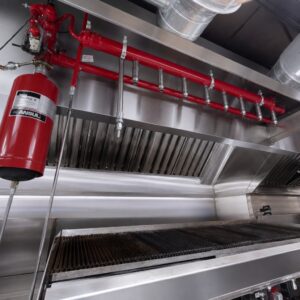
Hood grease is the stuff that gets pulled up into your kitchen exhaust system.
This includes:
- The hood interior
- Filters and filter tracks
- Exhaust ductwork
- Roof fan and housing
- Grease cups, hinges, seams, all those little edges where grease loves to hide
It’s typically aerosolized grease from cooking. Think grilling, frying, sautéing, charbroilers, woks, anything that throws vapor into the air. That vapor cools inside the ductwork and turns into a sticky flammable film.
And that’s the key word here. Flammable.
Grease trap grease is disgusting. Hood grease is disgusting and a fire hazard.
This is why hood and duct cleaning ties into fire code, and why you’ll hear NFPA 96 mentioned so often. A lot of Ontario inspectors, property managers, and insurers care less about how your kitchen smells and more about whether your exhaust system is basically a grease lined chimney.
The most common mistakes I see (and why they matter)
1. “We clean our hood filters, so we’re good”
Filters are only the first stop. Grease still gets past them. If the ducts and fan aren’t cleaned on schedule, you can have a shiny hood and still have heavy buildup inside the system where nobody looks until there’s an inspection, or worse.
2. “Our trap is small, so it doesn’t need pumping much”
Small traps fill faster. And kitchens change. Menu changes. Volume changes. Staff habits change. If you’re frying more than you used to, your trap schedule from last year may be useless now.
3. Using the wrong company for the wrong job
A grease trap pumping company is not automatically a hood cleaning company. Different equipment, different training, different documentation.
And the reverse is also true. Hood cleaners shouldn’t be “dumping” trap waste or trying to deal with interceptors like it’s the same thing. Disposal rules are strict for a reason.
4. Mixing waste streams
This one sounds technical, but it happens. Hood grease scraping and waste collection needs to be handled cleanly and responsibly, not washed into floor drains like it’s nothing. That just pushes the problem into your plumbing system. Or into the city line. Which is where fines and headaches show up.
The bottom line
Grease trap grease is a plumbing and wastewater problem. Hood grease is a fire and exhaust system problem.
Both need regular cleaning. Both can shut you down in their own way. And yeah, both are gross. But if you stop treating them like the same thing, you’ll avoid a lot of expensive surprises later.
FAQs (Frequently Asked Questions)
What is the difference between grease trap grease and hood grease in a commercial kitchen?
Grease trap grease (FOG) comes from wastewater like sinks and floor drains, containing oils, fats, food particles, sludge, and water. It’s collected in traps to protect plumbing and sewer systems. Hood grease originates from cooking vapors and smoke, accumulating as a sticky, flammable film inside exhaust hoods, filters, ducts, and fans. It poses a significant fire hazard and requires specialized cleaning for fire code compliance.
Why is it important not to mix up grease trap grease and hood grease management?
Mixing up these two types of grease can lead to serious problems including plumbing backups, fire risks, failed inspections, and costly fines. Each type requires different cleaning methods and regulatory compliance — grease trap grease needs pumping and proper disposal to prevent sewer issues, while hood grease demands degreasing and pressure washing to reduce fire hazards under NFPA 96 standards.
Can cleaning hood filters alone ensure proper exhaust system maintenance?
No. While regular filter cleaning is important as the first line of defense, grease still accumulates beyond the filters—in ducts, fans, and other exhaust components. Professional hood and duct cleaning on schedule is essential to remove this hidden buildup to reduce fire risk and meet NFPA 96 fire safety regulations.
What are common mistakes made in managing kitchen grease that can cause compliance issues?
Common mistakes include assuming filter cleaning equals full exhaust cleaning; neglecting proper pump out schedules for grease traps; hiring companies that specialize only in one type of cleaning (trap or hood) for both jobs; and improperly disposing of waste by mixing waste streams or washing hood grease into floor drains—actions that risk plumbing problems, fire hazards, failed inspections, and fines.