Hiring a commercial kitchen cleaning company is one of those decisions that looks simple until it goes wrong. Every provider says they clean to code. Every quote claims to be thorough. Then a fire inspector lifts an access panel, finds baked-on grease in the duct, and suddenly the invoice you paid last quarter is worth nothing — and your insurance position is a lot weaker than you thought.
If you run a restaurant, hotel kitchen, or institutional foodservice operation in Ontario, the difference between a real exhaust cleaning contractor and a general janitorial company is measured in fire risk, inspection outcomes, and equipment lifespan. Here is how to tell them apart before you sign.
Why Professional Kitchen Cleaning Is a Compliance Issue, Not a Housekeeping One
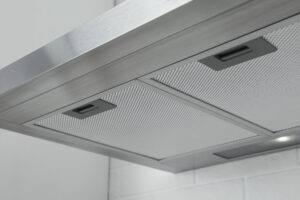
Your nightly crew wipes down surfaces, degreases fryers, and mops floors. That work matters, but it never touches the part of the kitchen that actually starts fires: the hood, the filters, the horizontal and vertical ductwork, and the rooftop exhaust fan.
Grease is aerosolized during cooking, travels up through the hood, and condenses along the entire length of the duct run. Once that residue builds into a layer, it becomes fuel with a direct path from your cooking line to your roof. This is exactly why kitchen exhaust cleaning sits under NFPA 96, the widely adopted standard for ventilation control and fire protection of commercial cooking operations, rather than under general cleaning practice.
Three parties will eventually ask for proof that the work was done properly:
- Your fire department (the Authority Having Jurisdiction, or AHJ) — wants service tags, intervals, and evidence.
- Your insurer — may reduce or dispute a claim if you cannot document a maintenance history.
- Public health inspectors — look at grease control and hygiene across the whole kitchen.
A cleaning company that cannot satisfy all three is not saving you money. It is deferring a cost.
What to Look For in a Commercial Kitchen Cleaning Company
1. Cleaning to bare metal — and proof of it
The single most useful benchmark is whether the contractor cleans to bare metal wherever accessible, as NFPA 96 requires, rather than surface-wiping the visible hood canopy. A polished hood exterior with a greasy duct interior is the most common form of bad work in this industry, because the customer cannot see the part that matters. If you want to know precisely what that standard involves, read our breakdown of what “clean to bare metal” actually means.
2. Time-stamped before-and-after documentation
Ask what you receive after the visit. A credible provider hands over a service report listing areas cleaned, chemicals used, deficiencies found, and recommendations — plus dated photographs of the hood, filters, duct interior, and rooftop fan. Photos of the duct interior are the ones to insist on. That package is what you present to an inspector or an adjuster.
3. A dated service tag on the hood
The tag should record the service date, technician, scope, and next service due. Inspectors look for it. If a contractor does not tag, they are not working to the standard.
4. WSIB coverage and liability insurance
Technicians work at height on roofs, with hot water and caustic chemicals, in your building. Ask for current WSIB clearance and a liability certificate naming coverage limits. If a crew member is injured on your roof and the contractor is uninsured, the exposure can migrate to you.
5. Specialization in exhaust systems
Kitchen exhaust cleaning requires pressure equipment, containment, degreasing chemistry, roof access competence, and the ability to reassemble a fan correctly. A generalist office-cleaning company that added hoods as an upsell rarely has all of it. Look for a provider whose core business is exhaust system cleaning and commercial kitchen work.
6. Frequency guidance based on your kitchen, not a template
A char-broiling steakhouse and a low-volume sandwich counter do not belong on the same schedule. High-volume solid-fuel and wok cooking needs far more frequent service than moderate-use kitchens. A contractor who quotes an interval without asking about your cooking type, volume, and hours is guessing.
Questions to Ask Before You Hire
Bring this list to the site walkthrough:
- Do you clean to bare metal throughout the accessible system, including vertical duct and the rooftop fan?
- What happens where the duct is not accessible — will you install access panels?
- Will I receive time-stamped before-and-after photos and a written service report?
- Do you tag the hood after service?
- Can you provide current WSIB clearance and proof of liability insurance?
- Are your technicians trained specifically on NFPA 96 exhaust cleaning?
- How do you protect my kitchen — containment, surface protection, chemical handling?
- What service interval do you recommend for my cooking volume, and why?
- Do you handle filter exchange, fan belts, and grease containment, or only the hood?
- Can I speak to two current clients with kitchens like mine?
The answers matter less than the specificity. Experienced operators answer these instantly. Vague answers are the signal.
Red Flags to Watch For
- A phone quote with no site visit. Nobody can scope a duct run they have not seen. Prices well below the typical Ontario range for hood cleaning usually mean the duct and fan are being skipped.
- No photos offered. If documentation is treated as an unusual request, the work probably will not survive scrutiny.
- Daytime-only availability. Proper cleaning needs a cold, closed kitchen. Crews that will not work overnight are not doing a full teardown.
- No roof work. “We don’t do the fan” means grease stays in the highest-risk location.
- Cash-only, no invoice, no certificate. You will have nothing to show your insurer.
- Pressure to sign a long contract on the first visit, before you have seen a single completed clean.
What a Professional Cleaning Visit Actually Looks Like
A full service on a typical restaurant runs overnight and follows a predictable sequence. The crew arrives after close, once the equipment is cold, and protects the cooking line and floors with plastic sheeting and containment. Filters come out for separate soaking or exchange. The hood interior, plenum, and accessible duct are then treated with degreaser and cleaned with hot-water pressure equipment, with runoff captured rather than sent into your floor drains.
On the roof, the exhaust fan is lifted or hinged back so the fan blades, housing, and the top of the duct are cleaned directly, and grease containment is checked or replaced. Belts and bearings get inspected while access is open. Everything is reassembled and function-tested, the kitchen is wiped down and returned to service, and the crew tags the hood and issues the photo report before leaving. Where sections of duct are unreachable, the contractor should flag it in writing and quote access panels rather than quietly leave grease in place.
Cleaning is also only half the equation — what your team does nightly determines how much builds up between visits. Our guide to deep cleaning versus nightly cleaning covers the gap, and our post on exhaust cleaning and fire prevention explains the risk side in more detail.
Frequently Asked Questions
How often does a commercial kitchen exhaust system need cleaning?
It depends on cooking volume and type. High-volume solid-fuel, char-broiling, and wok operations need the most frequent service; moderate-use restaurants sit in the middle; low-volume kitchens the least. Your AHJ may specify an interval, so confirm local expectations rather than assuming a default.
Is there an official hood cleaning certification in Ontario?
There is no single government-issued card that covers every situation. In practice, “certified” means the contractor can demonstrate they clean to NFPA 96 standards, carry WSIB and liability coverage, train their technicians, and produce the tagging and documentation your local inspector expects.
Can my own staff clean the hood instead?
Staff can and should degrease accessible hood surfaces and filters nightly. Duct interiors and rooftop fans require specialized equipment, containment, and roof-work competence, and are expected to be handled by a qualified contractor.
Will cleaning disrupt service?
It should not. Work is scheduled overnight or during closures so the kitchen is fully operational for your next shift.
What documentation should I keep on file?
Keep every service report, photo set, and invoice, and note the tag date. If a fire or claim occurs, that continuous history is the evidence that your system was maintained.
Choose on Evidence, Not on Price
The right commercial kitchen cleaning company makes its work verifiable: bare metal, photographed, tagged, reported, and scheduled around your actual cooking volume. The wrong one makes the hood look clean and leaves the risk where you cannot see it.
Aquaforce specializes in commercial kitchen and exhaust system cleaning across the GTA and Durham Region, with documented before-and-after reporting on every visit. Request a quote and we will walk your kitchen, assess the full system, and recommend a schedule that stands up to inspection.