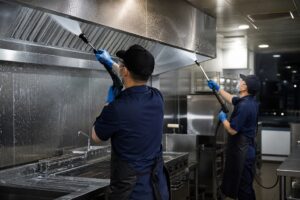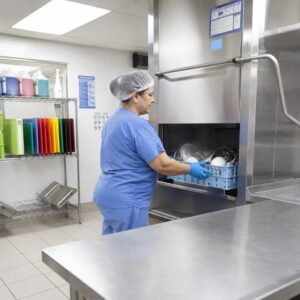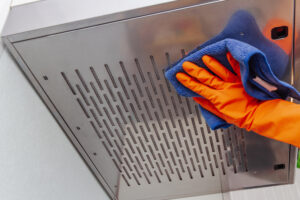
How to clean commercial kitchen equipment starts with a daily, systematic clean-as-you-go approach using food-safe detergents, degreasers, and sanitizers. First remove debris, then scrub surfaces with hot soapy water before sanitizing them. When cleaning stainless steel, always wipe in the direction of the grain to avoid scratches. Equipment such as grills, fryers, and hood filters should also be deep cleaned weekly to maintain hygiene and keep the kitchen safe for food preparation.
A clean and well-maintained kitchen helps restaurants operate safely and efficiently every day. AquaForce Power Clean provides professional cleaning solutions that help commercial kitchens keep equipment sanitary and working at their best.
Why Learning How to Clean Commercial Kitchen Equipment Matters?
Running a busy commercial kitchen means keeping every surface and tool clean at all times. When staff learn how to clean commercial kitchen equipment the right way, the kitchen stays safe, organized, and ready for food service. Clean equipment helps protect both workers and customers. It also helps the kitchen run smoothly each day.
Helps maintain hygiene
A kitchen must stay clean to maintain hygiene and prevent the spread of germs. Food areas can easily collect crumbs, oil, and moisture during cooking. These can quickly turn into a place where bacteria grow. Simple daily cleaning routines remove dirt and spills before they become a bigger problem. Wiping surfaces, washing tools, and sanitizing food areas helps keep the kitchen safe for everyone.
Reduces bacteria
Food residue can stay on surfaces if equipment is not cleaned well. This residue can carry bacteria that may contaminate food.
Learning how to clean commercial kitchen equipment helps remove these hidden risks. Staff can wipe, wash, and sanitize the right way so germs do not spread from one surface to another. A clean kitchen lowers the chance of food safety issues and keeps customers protected.
Prevents grease
Cooking equipment collects oil and residue every day. Over time, grease can stick to grills, ovens, and vents. When grease is left too long, it becomes harder to remove. It may also create safety risks in busy kitchens. Regular cleaning helps stop this buildup before it grows. Using safe cleaning methods and avoiding harsh chemicals also helps protect kitchen surfaces and equipment, especially when following proper how to clean commercial kitchen equipment practices.
Protects staff and customers
A clean kitchen is a safer place to work. Floors, equipment, and food areas stay organized and sanitary. When staff know how to clean commercial kitchen equipment, they help create a healthier workplace. Clean tools and surfaces reduce accidents, lower contamination risks, and support better food service. Good cleaning habits protect everyone in the kitchen and the people who enjoy the food prepared there.
Daily Steps for How to Clean Commercial Kitchen Equipment
Daily cleaning keeps a kitchen safe and organized. When staff learn how to clean commercial kitchen equipment and follow proper commercial kitchen cleaning methods, they help stop dirt, grease, and bacteria from building up during busy work hours.
Many kitchens use a clean-as-you-go method. This means cleaning tools and surfaces right after they are used. This habit keeps the workspace tidy and helps staff work faster and safer. Below are simple daily steps that help teams clean commercial kitchen equipment properly.
Turn off and cool equipment
Safety always comes first. Before cleaning, turn off all machines and unplug them if needed. Allow hot equipment to cool before touching any surface.
This step protects workers from burns and electrical risks. It also helps cleaning products work better on safe surfaces.
Remove debris and food particles
Next, remove crumbs, spills, and loose dirt from equipment. Wipe counters, stovetops, and ovens right away. Small bits of food, also called food particles, can collect during cooking. If they stay too long, they may cause bacteria growth. Cleaning these areas early ensures food is prepared in a safer environment and supports proper how to clean commercial kitchen equipment practices.
Wash surfaces with warm soapy water
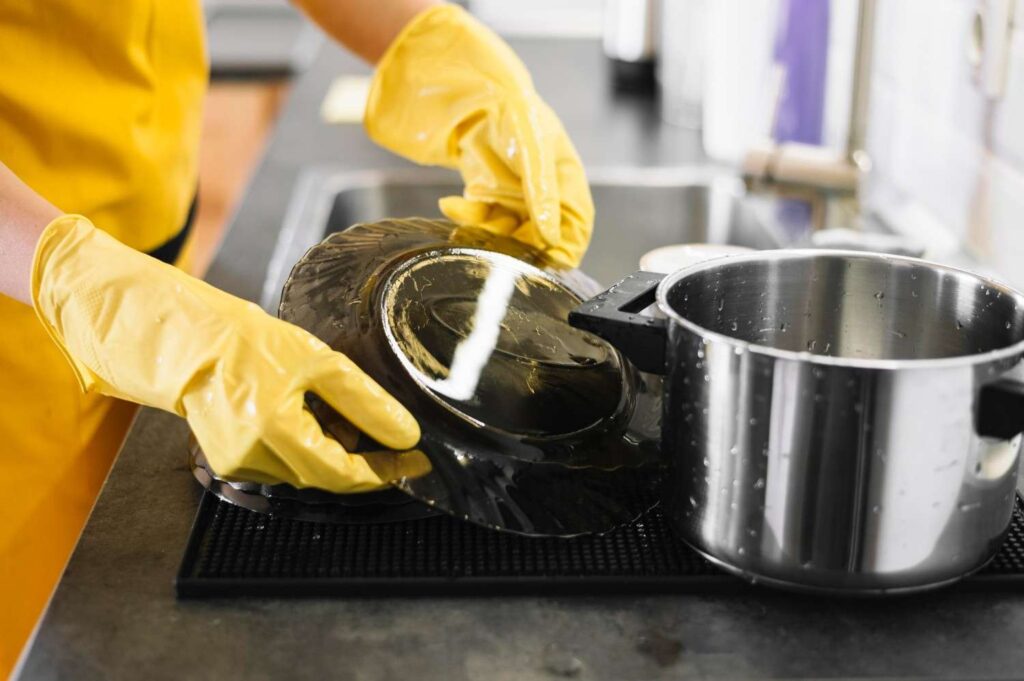
After removing debris, wash surfaces using warm soapy water and a soft cloth or sponge. Warm water helps break down grease and oil. Gentle scrubbing lifts dirt without damaging equipment surfaces. This step helps staff clean grease, stains, and leftover residue from daily cooking while following proper how to clean commercial kitchen equipment practices.
Scrub and sanitize food areas
Once the equipment is washed, the next step is sanitizing. Spray food-contact surfaces with a food-safe sanitizer. Use a clean disposable cloth or towel to wipe the surface. This step removes bacteria that may remain after washing.
When staff follow these steps to clean commercial kitchen equipment, they help keep the kitchen safe and ready for food preparation.
Rinse and dry equipment
After sanitizing, lightly rinse surfaces if needed. Then rinse and dry the equipment using clean towels or allow it to air dry. Dry surfaces help prevent bacteria from growing in wet areas. It also keeps tools ready for the next cooking task.
Why daily cleaning matters?
Daily cleaning keeps kitchens running smoothly. It reduces grease, dirt, and contamination during food preparation. Some restaurants also work with commercial kitchen cleaning services to support deep cleaning and sanitation. These services help maintain a higher level of cleanliness in busy kitchens.
When staff follow these simple steps each day, it becomes easier to clean commercial kitchen equipment and keep the kitchen safe for everyone.
How Regular Maintenance Helps Clean Commercial Kitchen Equipment Last Longer?
Keeping kitchen equipment in good condition takes more than basic cleaning. Staff must also check and care for tools often. When teams know how to clean commercial kitchen equipment, they can also spot problems early and prevent damage.
Simple care steps keep machines working well. They also help kitchens stay safe, organized, and ready for daily cooking.
Regular maintenance matters
Every busy kitchen uses many machines each day. Ovens, fryers, sinks, and vents work hard during food service. Without regular maintenance, these tools may wear down faster.
Routine care removes grease, dirt, and hidden buildup. It also helps workers notice loose parts or worn areas before they turn into bigger issues. When staff know how to clean commercial kitchen equipment and maintain it properly, the kitchen runs more smoothly.
Proper care for stainless steel
Many kitchen appliances are made of stainless steel. These surfaces look strong, but they can scratch easily. Use a soft cloth when wiping these surfaces. Always wipe in the same direction as the metal grain. This keeps the surface smooth and shiny.
For light stains, a gentle mix of water and baking soda can help remove marks without damaging the finish.
Cleaning ovens and fryers
Ovens and fryers collect grease during cooking. Staff should remove oven racks each day and wash them if needed. Use a gentle cleaner to remove grease without harming the metal. Fryers also need care. Workers should empty used oil and clean the inside with a fryer-safe product.
These simple steps help kitchens clean commercial kitchen equipment while preventing heavy grease buildup and support proper how to clean commercial kitchen equipment practices.
Maintaining exhaust hoods and filters
Exhaust hoods remove smoke and grease from the air. Over time, grease collects inside hood filters.
If these filters are not cleaned often, they may become a fire risk. Cleaning them weekly helps reduce this danger and keeps ventilation working properly. Some restaurants schedule detailed hotline cleaning to fully remove grease from hood systems and vents.
Keeping sinks and drains clean
Sinks are used many times each day in a commercial kitchen. Because of this, they must stay clean and clear. Workers should wash sinks, splash areas, and drains daily. This step removes grease, food residue, and bacteria that collect during food preparation. Clean sinks also help prevent clogs and unpleasant odors.
Helps equipment last longer
Kitchen equipment costs a lot to replace. Taking time to care for it helps prevent damage and unexpected breakdowns. When staff learn how to clean commercial kitchen equipment, they help protect these valuable tools. Proper care also extends the lifespan of ovens, fryers, and other machines used every day.
Good cleaning habits and simple maintenance checks keep the kitchen safe and productive for many years.
Professional Services for Cleaning Commercial Kitchen Equipment
Restaurants and food facilities work in busy environments. Staff may follow good cleaning routines, but some areas still need deeper care. Professional teams know how to clean commercial kitchen equipment safely and thoroughly.
Experts use proper tools and proven methods to remove grease and hidden dirt. This support helps kitchens stay sanitary and organized every day.
Professional Degreasing and Kitchen Sanitation
Professional cleaners remove grease and dirt that regular cleaning supplies may not fully remove. Over time, oil and food residue can turn into heavy grime buildup on equipment and kitchen surfaces.
Deep sanitation improves overall cleaning practices in busy kitchens. When experts help clean commercial kitchen equipment, they restore surfaces and make food preparation areas safer.
Deep Cleaning That Protects Your Equipment
Professional cleaning also helps protect expensive kitchen machines. Grease and residue can damage equipment if they are not removed often.
Hiring kitchen cleaning services for business helps prevent serious damage and reduces the risk of costly repairs. In Southern Ontario, AquaForce Power Clean provides trusted deep cleaning and professional degreasing for commercial kitchens. Contact us today to learn how our team can help keep your kitchen clean and operating safely.
FAQs
1. How often should you clean commercial kitchen equipment?
Most equipment should be cleaned every day after use. When staff understand how to clean commercial kitchen equipment, daily cleaning removes grease, food residue, and bacteria. Some equipment, such as hood filters and fryers, may need deeper cleaning weekly.
2. What is the best way to clean commercial kitchen equipment?
The best method for how to clean commercial kitchen equipment is a simple clean-as-you-go routine. First remove debris, then wash surfaces with warm soapy water. After that, sanitize the area and allow the equipment to dry.
3. Why is cleaning commercial kitchen equipment important?
Cleaning kitchen equipment helps prevent bacteria and contamination. It also reduces grease buildup and keeps the kitchen safe. Clean equipment helps food preparation stay sanitary and professional while following proper how to clean commercial kitchen equipment practices.
4. Can regular cleaning help equipment last longer?
Yes. Regular cleaning removes grease and dirt that can damage machines over time. Proper care helps equipment work better and reduces the chance of breakdowns or repairs.
5. When should a business hire professional kitchen cleaning services?
Many restaurants hire professional cleaners for deep cleaning. Experts can remove heavy grease from exhaust systems, hood vents, and hard-to-reach areas. This helps maintain a safe and compliant commercial kitchen.