
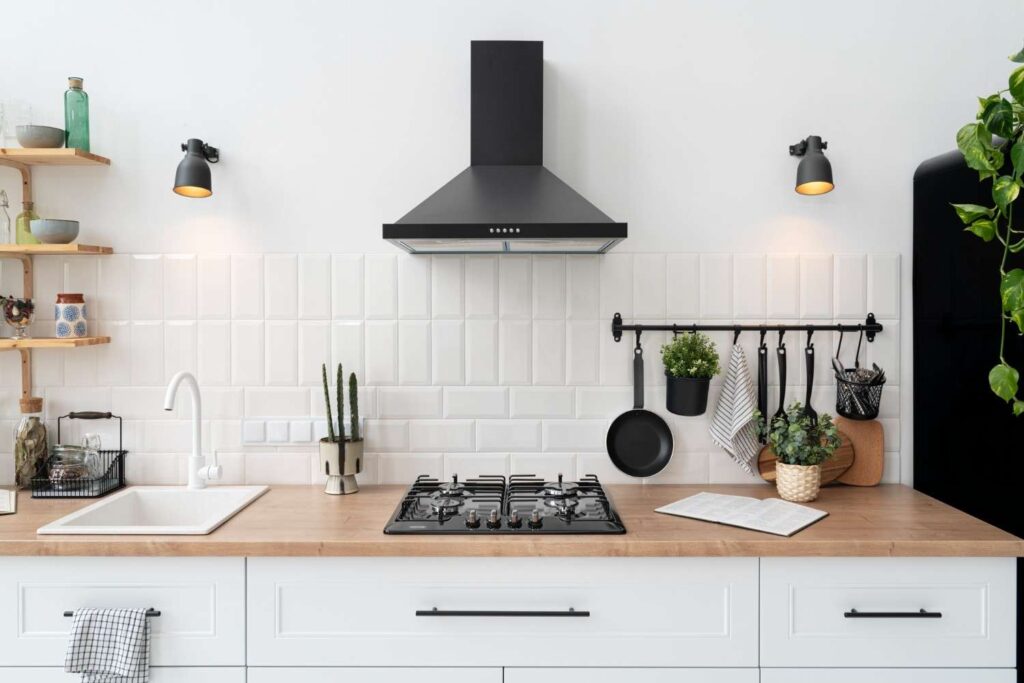
Remove the range hood filter and soak it in hot water with dish soap. Baking soda can help with stubborn grease. After soaking, scrub gently and rinse well. Let the filter dry fully before placing it back.
Hood Cleaning
services Overview
Precision Hood Cleaning by AquaForce
Hood cleaning helps restaurants keep kitchens safe and clean. Grease builds up inside vents and filters over time. Without proper care, it can affect air flow, safety checks, and daily kitchen work.
AquaForce Power Clean provides clear, reliable service for local kitchens. We follow proven steps, use safe tools, and focus on steady results that meet fire rules.
Why Regular Hood Cleaning Is Important?
How Hood Cleaning Protects Commercial Kitchens?
- Commercial hood cleaning helps prevent grease fires and protects range hoods
- Hood filter cleaning keeps exhaust fans working properly in restaurants
- Clean systems help kitchen hoods remove smoke and support safe food preparation
- A clear kitchen exhaust system reduces smoke buildup and improves staff comfort
- Regular service lowers repair costs and helps meet local safety rules
How Professional Hood Cleaning Works?
Steps Used in Hood Cleaning for Commercial Kitchens
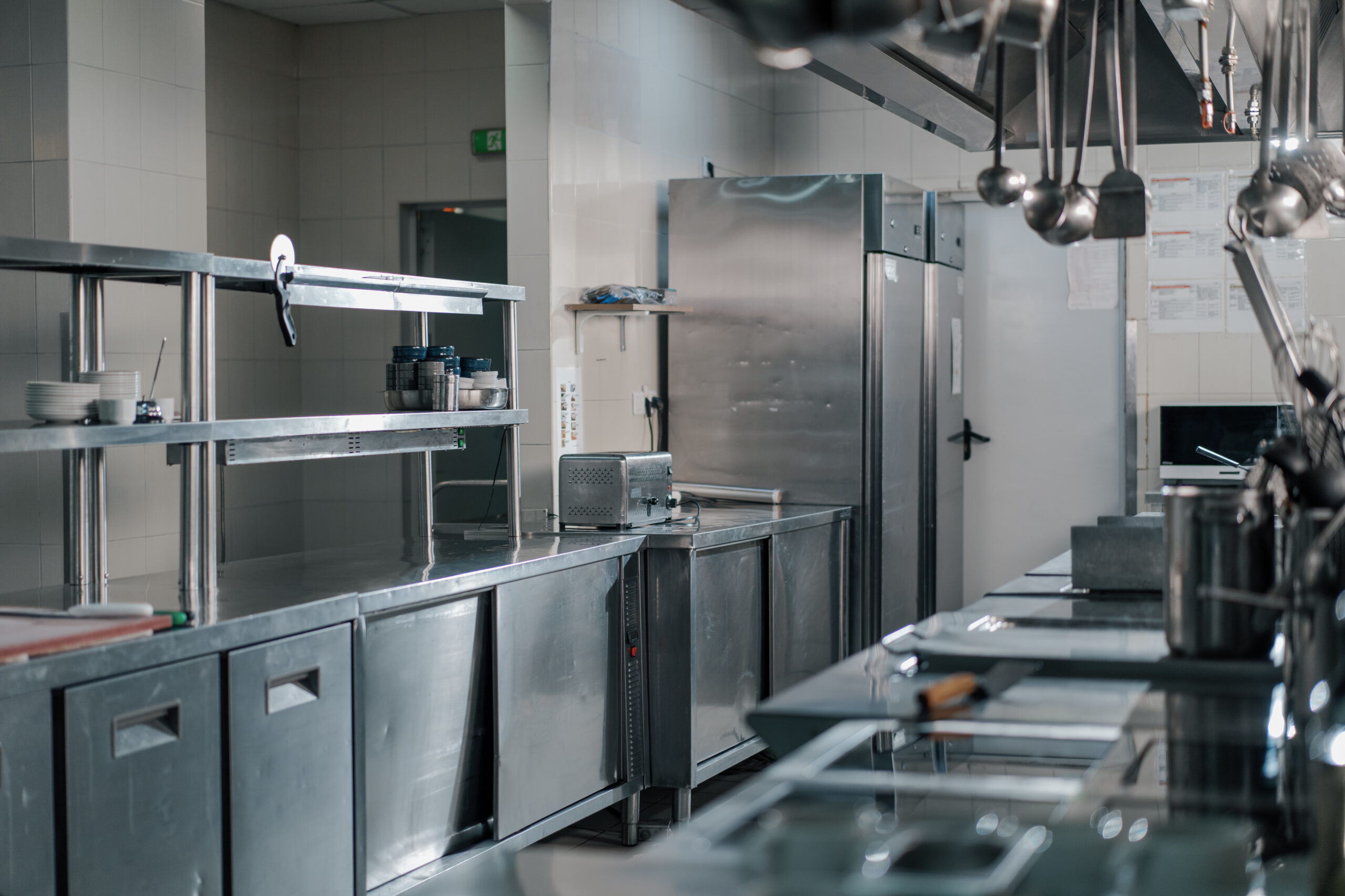
- Teams inspect exhaust hoods and stainless steel surfaces first
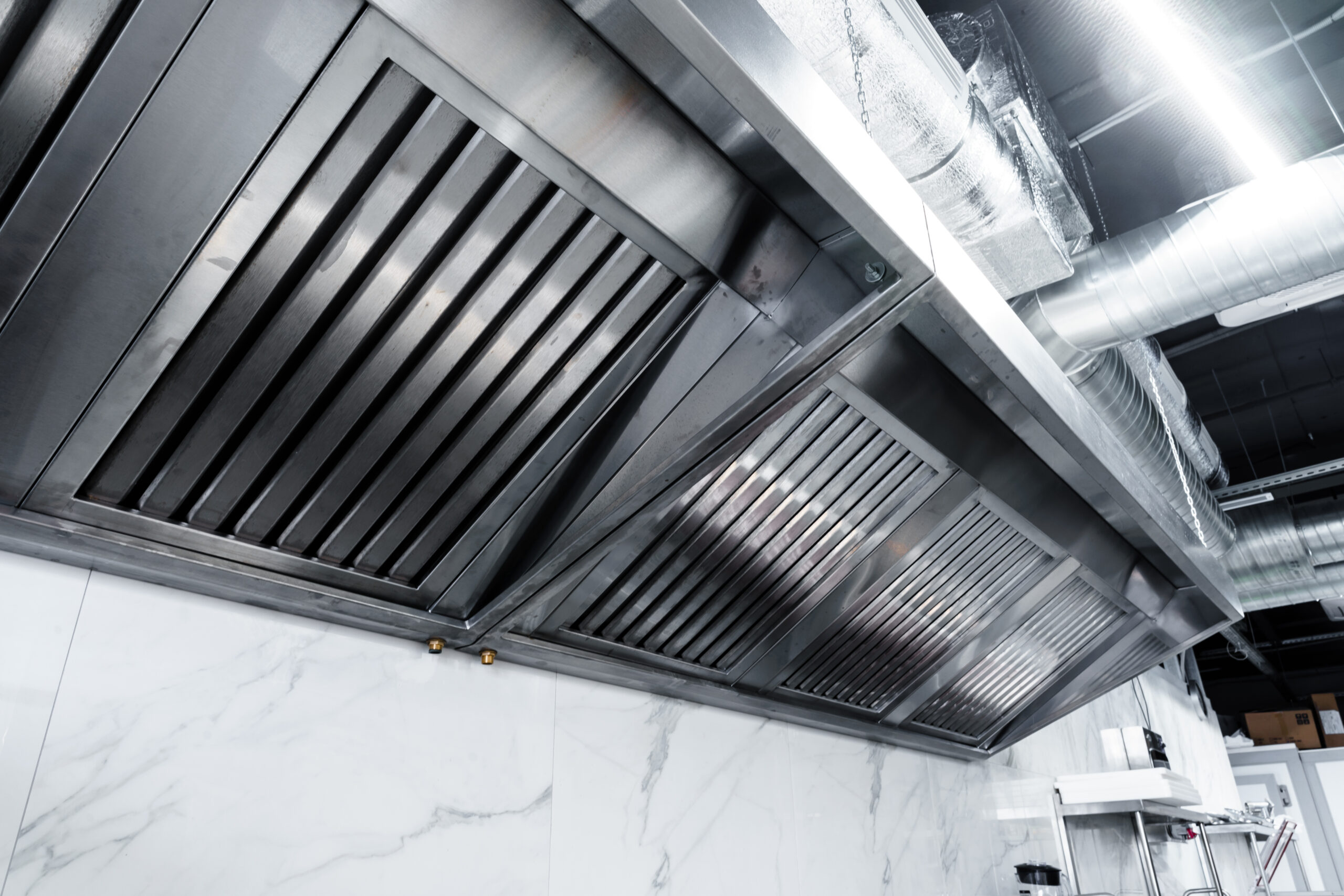
- Staff remove hood filters and begin cleaning them
- Technicians wash parts using safe cleaning methods
- Workers clear grease from vents and ducting systems
- Final checks confirm airflow, safety, and system performance



Why Choose AquaForce Power Clean?
Trusted Support for Hood Cleaning
- Our team removes grease and grime using microfiber cloths during regular cleaning
- We control grease buildup through careful range hood cleaning
- Staff follow safe methods in busy kitchen spaces
- We inspect every surface to ensure steady airflow and daily kitchen safety
- Our service plans support long-term care and reliable equipment performance
Commercial vs Restaurant Hood Cleaning
How Hood Cleaning Differs for Commercial and Restaurant Kitchens?
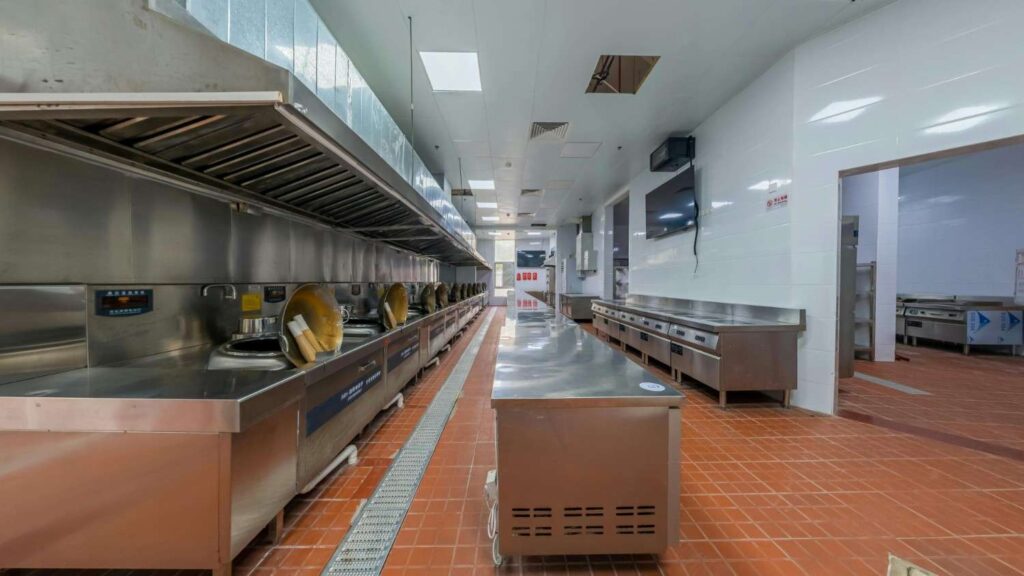
Commercial kitchens and restaurant kitchens have different cleaning needs. Large facilities often need deep cleaning more often because grease spreads faster. Staff must wash parts using warm water and a safe cleaning solution. They also check the fan blade to remove hidden dirt.
Restaurants usually need more frequent service because they cook every day. Commercial sites may focus on longer schedules, while restaurants focus on daily safety. Both types must follow health rules, protect workers, and keep air moving properly. Regular care helps prevent damage and reduces fire risk over time.
Signs Your Hood System Needs Cleaning
Grease buildup is one of the first signs your hood system needs attention. If you see grease dripping from the hood or vents, or if the range hood filter looks dark and sticky, it may be time for restaurant hood vent cleaning. A greasy smell that stays in the kitchen, smoke that does not clear quickly, or a loud exhaust fan can also mean the system is not working well.
You may also notice slower airflow or heat building up during busy hours. If staff have to wipe grease often or see stains on stainless steel surfaces, the system likely needs a deeper clean. Regular restaurant hood vent cleaning helps prevent fire risk, keeps air moving properly, and supports safe daily kitchen work.
Areas We Serve
AquaForce Power Clean provides hood cleaning services across Toronto, Durham Region, Halton Region, Peel Region, and York Region. We work with businesses in Mississauga, Ajax, Aurora, Brampton, Brock, Burlington, Caledon, Clarington, East Gwillimbury, and Georgina.
Our team helps restaurants and commercial kitchens keep their exhaust systems clean and safe. We make sure your system is ready for inspections and daily use. Contact us to check if we service your area and to book your hood cleaning.
26+
Years of Experience
2k+
Clean Kitchens
2k+
Satisfied Customers
16
Professional Teams
FAQs
How often should kitchen hoods be cleaned?
Most kitchens clean hoods every three to six months. Busy places may need monthly service. Regular service helps kitchens clean grease buildup and lowers fire hazard risk.
Can staff clean hoods without professional help?
Staff can wipe outside surfaces with dish soap and hot water. They can also clean your range hood filters using warm water. Deep areas inside the system still need trained workers and a full cleaning process.
How do you clean a greasy range hood?
To clean a greasy range hood, staff can use hot water, dish soap, and a microfiber cloth. This works for light grease. Stubborn grease and grease buildup inside the system need professional service.
How do you clean your range hood filters?
What happens during professional hood cleaning?
Workers remove filters, clean the exhaust fan, wash stainless steel surfaces, and clear grease from vents. The full cleaning process removes hidden grease buildup and reduces fire hazard risk.
Is baking soda safe for hood cleaning?
Yes. Baking soda is safe for light grease and smells. It works well with hot water and dish soap. It helps clean a greasy surface but does not replace deep professional cleaning.
What tools are used to clean a greasy hood?
Staff may use a microfiber cloth, paper towel, brushes, dish soap, baking soda, and hot water. These tools help clean the filters, vent filter, and surfaces during regular care.
Does hood cleaning help prevent fires?
Yes. Removing grease buildup lowers the risk of a fire hazard. Clean filters, a clean exhaust fan, and regular service keep kitchens clean and safe for daily work.
Can poor cleaning affect inspections?
Yes. Dirty systems can fail inspections. Inspectors look for grease buildup, airflow issues, and signs of fire hazard risk. A proper cleaning process helps kitchens pass checks.
How can restaurants prepare for hood cleaning?
Turn off equipment and clear the area. Remove the range hood filter and any nearby items. This helps workers start the cleaning process faster and safely.
Services



get in touch
Get a Free Estimate for Your Kitchen Cleaning
Schedule a visit with one of our expert estimators for a free inspection and competitive quote. We’ll assess your kitchen, answer your questions, and show you the difference true professional cleaning makes.
Contact Us